Ghana Without Orphans
Latest Updates

News Corner

Launch of Oti Without Orphans (OWO); Regional Chapter of Ghana Without Orphans – November 1, 2024

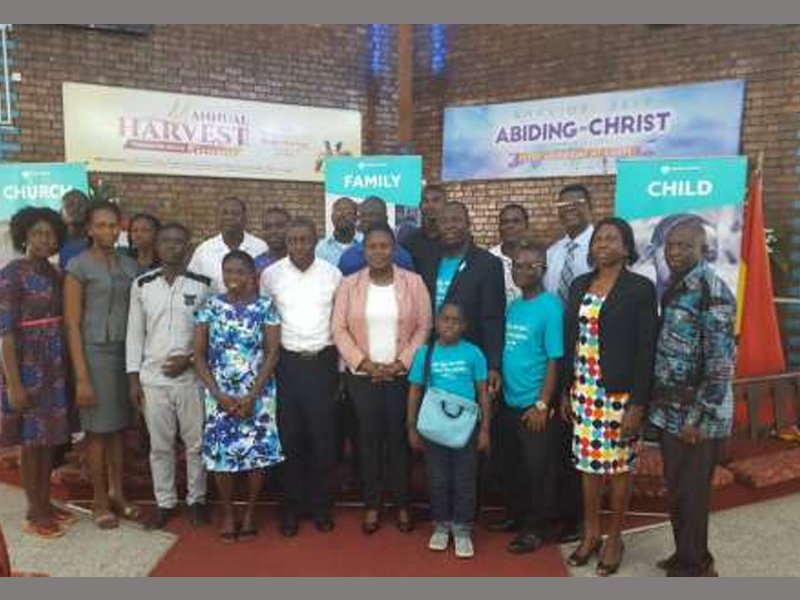
On November 1, 2024, the Oti Region marked a significant milestone with the official launch of the Oti Without Orphans (OWO) Regional Chapter at Dambai. This event represents an important step in extending the Ghana Without Orphans (GWO) movement into northern Ghana, uniting stakeholders around the shared vision of ensuring every child grows up in a safe and loving family.

The event was graced by Hon. Charles Boateng Gyamfi, Municipal Chief Executive of Krachi East, who served as the Special Guest of Honour. In his keynote address, Hon. Gyamfi stressed the need for strong partnerships between government and community actors to protect and nurture vulnerable children. He affirmed the Oti Region's readiness to combat child trafficking and create a conducive environment where children can thrive.

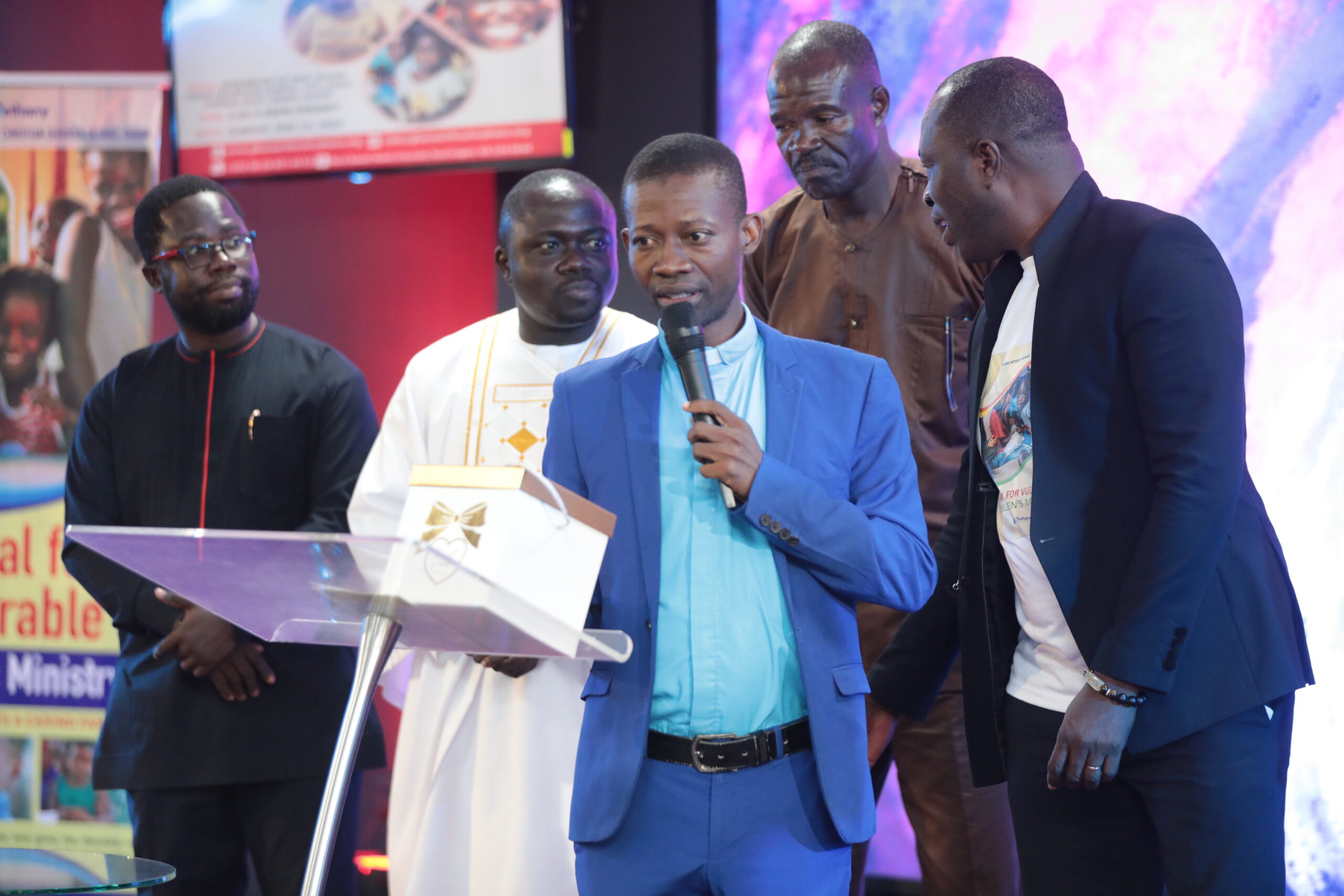
Rev. John Oddu, the Regional Superintendent, Assemblies of God Ghana (Volta North) and Rev. Prince William K. Ahelegble, Presbytery Chairman, Nkwanta South District, Global Evangelical Church, both religious leaders, encouraged participants to embrace caregiving roles and pledged their unwavering support for the Ghana Without Orphans mission in the region and beyond.

Rev. George Abaidoo, Founder and National Coordinator of Ghana Without Orphans, delivered a powerful call to action, urging all present to act as guardians and advocates for vulnerable children. He emphasized the use of personal influence, resources, and networks to build nurturing environments for every child.

Mrs. Rebecca Dankyi, Project Manager of GWO, commended the dedication of the Oti Region's leadership in facilitating the launch and associated training sessions. She encouraged regional representatives, district leaders of GWO, and prospective foster parents to continue their commitment to the mission.

The event saw active participation from community stakeholders, drawing over 80 attendees, including representatives from various government and civil society organizations. A highlight of the launch was the performance by the EP Church Drama and Cultural Troupe from Mepe Kofe, whose drama and dance pieces focused on the theme of supporting vulnerable children through love, care, and proper guidance.

Madam Priscilla Akugbatsa, a social worker with Ghana Without Orphans, delivered an insightful message encouraging parents — especially of young girls — to provide protection and guidance during their transition into adulthood, emphasizing the importance of this support in preventing teenage pregnancy and streetism.

The event was well attended by stakeholders from both government and civil society, including representatives from the National Commission for Civic Education (NCCE), Social Welfare Department, Ghana Health Service, Department of Gender, Information Services Department, Cross Theological Seminaries, Dambai Local Council of Churches, Ghana Police Service, Kano FM and Oti FM.

The official launch of Oti Without Orphans (OWO) proceeded the orientation of twenty-seven (27) prospective foster parents, facilitated by Mr. Innocent Komla, the Oti Regional Director of the Social Welfare Department. In addition, a comprehensive training was conducted for all Oti District Representatives on Thursday, October 31, 2024, supported by Mr. Isaac Adjei Yeboah (Manager for Alternative Family-Based Care, Bethany Christian Services Ghana) and Rev. George Abaidoo.

A Milestone Achieved. The successful launch of the Oti Without Orphans Regional Chapter signals a renewed commitment to protecting the rights and well-being of every child. With the collaboration of government, faith-based organizations/churches, NGOs, and community leaders, the vision of a Ghana Without Orphans continues to grow stronger — one region at a time.
The Need For A Peaceful Election: The Voice Of The Vulnerable To Politicians

As Ghana nears another election, the call for peace is critical, especially for vulnerable groups — children, orphans, and marginalized families — who often bear the brunt of political unrest.

1. Elections and Vulnerable Communities

For those depending on stability for healthcare, education, and daily security, a peaceful election is essential. Political disruptions can have lasting impacts on their lives, making peace a necessity, not a preference.

2. Politicians' Responsibility

Politicians have the power to set a tone of unity and respect. Vulnerable communities urge leaders to prioritize dialogue and cooperation over division, showing that the safety of all Ghanaians, especially the most vulnerable, is their top concern.

3. Building a Secure Future

Ghana's future depends on a culture of respect, where elections transition peacefully, and every child has the opportunity to grow up in a stable environment. Ghana Without Orphans urges leaders to make this commitment to peace, for the sake of our nation's children and our collective future.

Conclusion. Let this election season be one marked by unity, responsibility, and the prioritization of Ghana's most vulnerable. In choosing peace, we ensure that our nation's future remains bright, safe, and full of promise for every Ghanaian child. GWO! A family for every family.

Breast Cancer Awareness: A Call To Action

Rev. George Abaidoo, Founder and National Coordinator for Ghana Without Orphans — 14/10/2024

As we mark Breast Cancer Awareness Month, we are reminded of the importance of early detection, education, and support for those affected by this disease. Breast cancer continues to impact countless lives, and it is our collective responsibility to raise awareness and encourage regular screenings.

Early detection saves lives, and the more we talk about it, the more we empower individuals to take charge of their health. Let us also remember to stand by those who are battling this disease, offering them love, strength, and support throughout their journey.

At GWO, we remain committed to this cause, and we are proud to be part of the advocacy drive for breast cancer awareness. By raising our voices, we hope to inspire positive change and increase awareness across our communities. Together, we can make a difference.

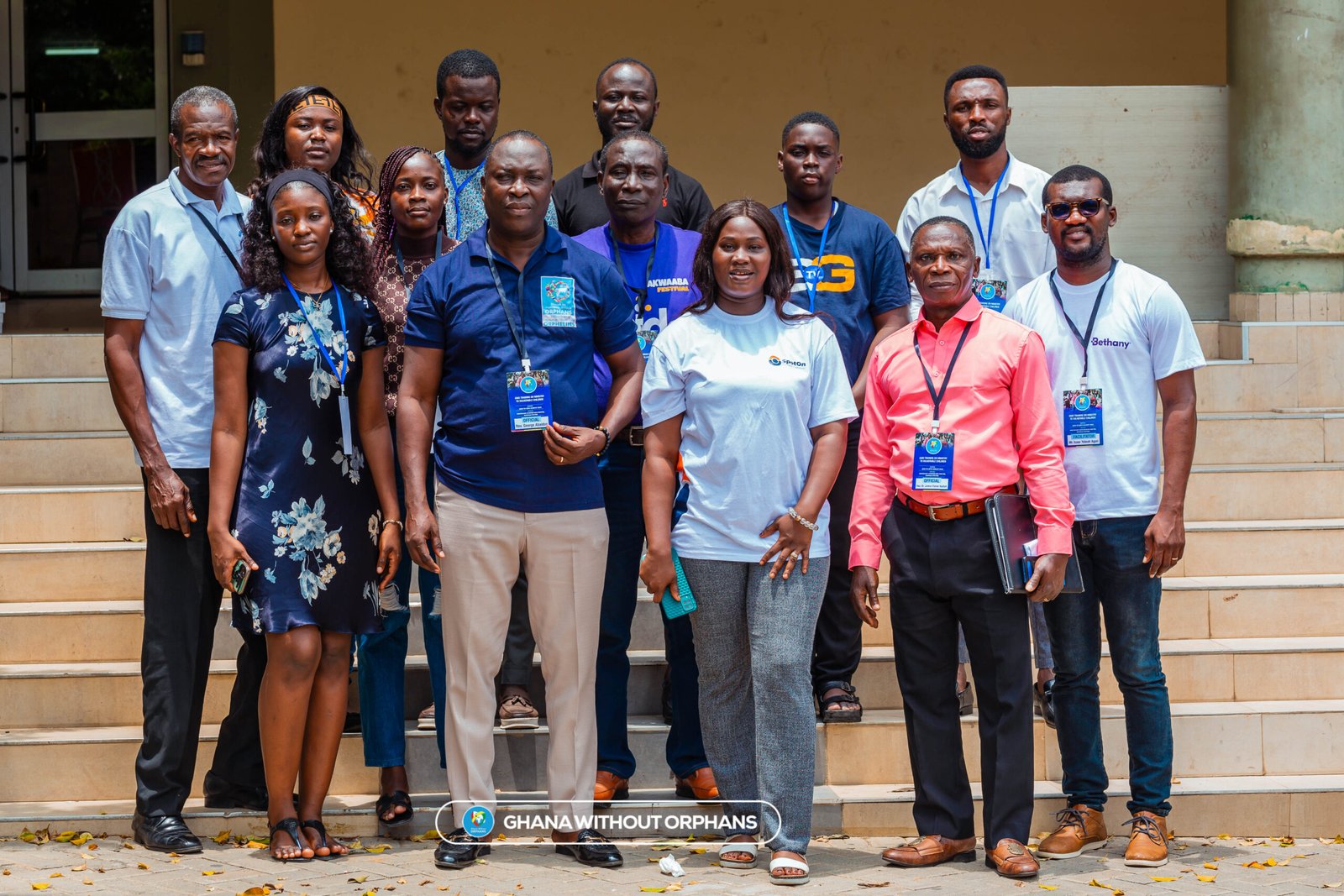
Training On Ministry To Vulnerable Children

Training On Ministry To Vulnerable Children

Mr. Isaac Yeboah, the Programs Manager for Bethany Christian Services Global in Ghana, emphasized the importance of advocating for family care systems for vulnerable children, specifically orphans. Rather than relying solely on orphanage homes, the focus should be on integrating orphans into loving families within their local communities.

From God's perspective on vulnerable children, Mr. Yeboah highlighted that vulnerable children — orphans and those living in challenging circumstances — are dear to God. According to his submission, God desires that families step in to adopt and care for these children, providing them with love, nurturing, and proper upbringing.

Speaking on the sub-topic “God's Creation and Family Nurturing”, Mr. Yeboah mentioned that God intentionally created an environment to meet children's survival needs, including natural elements like the sun, moon, sky, land, plants, and animals. Additionally, God created Adam and Eve to produce and nurture children in a godly way. The holistic needs of children — love, affection, education, cognitive development, and virtues — are essential aspects of family-based care.

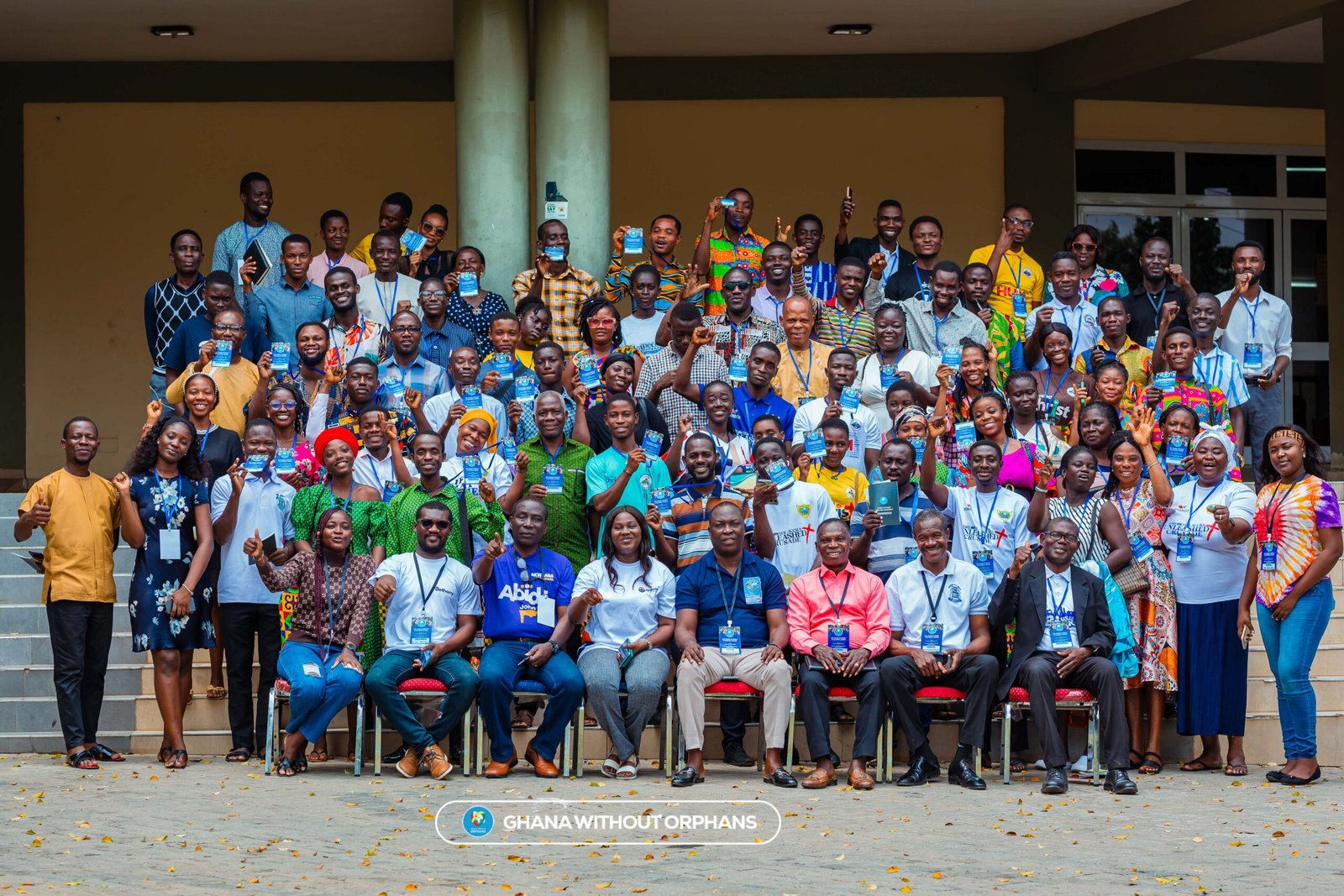
Workshop and Call to Intervention. The Vulnerable Children's Ministry training, organized by Ghana Without Orphans, aims to equip participants with knowledge about vulnerable children. Rev. George Abaidoo, the workshop's convener, expressed hope that by the end of the workshop, participants would better understand God's plans for vulnerable children and feel compelled to intervene on their behalf.

It's heartwarming to see organizations and individuals coming together to advocate for vulnerable children. Family care systems can provide stability, love, and a sense of belonging that institutional settings may not always offer.

Children Workers Urged To Advocate For Family Care System For Orphans

Children Workers Urged To Advocate For Family Care System For Orphans

Children workers and care givers have been encouraged to advocate for family care systems for orphans in their local churches, rather than the orphanage home system.

This plea was made by Mr. Isaac Yeboah, Programs Manager for Bethany Christian Services Global-Ghana, at the ongoing Vulnerable Children's Ministry training at the Pentecost Convention Center in Gomoa Fetteh, organized by Ghana Without Orphans.

In his submission at the opening session on Monday 26th August 2024, Mr. Isaac Yeboah Agyei took participants through an introduction to Vulnerable Children's Ministry. He made participants aware that vulnerable children such as orphans and children in the slums and ghettos are dear to God, and that God requires families to adopt these vulnerable children and give them proper family nurturing and care.

Mr. Isaac Agyei Yeboah added that, as a result of God's love for children, God created a conducive environment to meet children's survival needs — sun, moon, sky, land, plants, animals — and also created Adam and Eve to produce and help nurture children in a godly way, meeting their needs for love, affection, education, cognitive development, and virtues, among others.

Delivering the opening address for the workshop, the convener, Rev. George Abaidoo, was hopeful that by the end of the workshop on Wednesday 28th August, participants would know God's plans for vulnerable children and appreciate the call to intervene for them.

Report filed by HUM Media Team (COP)

Ghana Without Orphans Launches Orphan Sunday 2017

Ghana Without Orphans Launches Orphan Sunday 2017

The Ghana Without Orphans (GWO), in collaboration with the Department of Social Welfare, launched the 2017 edition of Orphan Sunday to rouse churches and civil society organisations to God's call to care for the orphan.

The GWO's initiative is aimed at mobilizing key stakeholders to engage in dialogue, strategizing and implementing best practices in orphan care rather than the popular institutionalized care.

The occasion, marked on every 2nd Sunday of November each year, was this year marked on Sunday, November 12, under the theme: “One voice for the orphan: promoting foster care”. Events lined up for the celebration included sermons, congregational prayers for orphans, visits to orphanages, recruiting families for fostering/adoption, and prayer for foster parents, among others.

Mr Daniel Nonah, Director, Department of Social Welfare, in a speech read on his behalf at the launch, called on Ghanaians to develop an interest in foster parenting. He said that in our part of the world, people who lost their parents were cared for by other extended family members, but due to urbanization and other socio-economic factors, orphans now go through emotional and psychological trauma without help from other family members.

Mr Nonah expressed the hope that GWO will not only promote foster care but will speak for voiceless orphans, giving them hope and the opportunity to share their life experiences. The Department, he said, would continue to collaborate with non-governmental organisations to provide equal opportunities and support to vulnerable people in accessing quality childhood development care and social protection programs.

In his presentation, Rev George Abaidoo, National Coordinator, GWO, said there is a need to understand that the biblical concept of the ‘orphan’ includes more than just a boy or girl who has lost one or both parents. He said it describes the child who faces the world without the provision, protection and nurture that parents uniquely provide.

“It is the firm desire of GWO to see the local churches in every region in Ghana increasingly play the central role in meeting the needs of orphans in distress; from family preservation and adoption to provision for specific physical, social, emotional and spiritual needs”, he added. Rev Abaidoo said that as the Christian population grows, the impact of Christianity in our time will be known by the way the church uses her influence to address major societal problems.

The National Coordinator noted that it was in this view that GWO seeks to add a unified voice and coordinated effort for every orphan to grow up in a safe and nurturing permanent loving family and to know their Heavenly Father. Special prayers were offered for orphans, and among the dignitaries present at the launch were Mrs Naa Adjorkor Mohenu, Country Director at Bethany Christian Services, and Reverend Jemima Amanor, Director for Gender and Family Issues, Methodist Church of Ghana.

Ghanaians Urged To Embrace Foster Parenting To Curtail Streetism

Ghanaians have been entreated to embrace foster parenting, a call that has become necessary due to the fact that not all orphans and vulnerable children find their way into orphanage homes.

It is against this background that the Founder and National Coordinator of Ghana Without Orphans, a Non-Governmental Organisation (NGO), Rev. George Abaidoo, has become the lead advocate for the need for foster parenting and guardianship.

According to him, Ghanaians believe in the family system, hence orphans and other vulnerable children can also be offered hope if people start adopting and fostering them, which can go a long way to reduce the burden on orphanage homes and centers.

Ghana Without Orphans is a movement of church organisations and groups which implement family-based solutions for vulnerable children in the community. GWO is part of World Without Orphans, which has a vision of seeing orphaned and vulnerable children thrive in loving families rather than in orphanages.

Rev. George Abaidoo was speaking at the official launch of a new book expected to serve as a guide for raising, fostering and nurturing orphans and vulnerable children in general. The book, titled “Manual for Vulnerable Children's Ministry”, was launched on Sunday 22nd May 2022 at the Assemblies of God Ghana Cedar Mountain Chapel in Accra, and was written with support from Bethany Christian Services.

“Since our advocacy commenced in 2014, we have been at the forefront of advocacy so far as these issues are concerned. For me, the best thing we can do as much as possible as a church, organizations and specialised groups is to resort to foster parenting, guardianship and adoptions to bridge the gap. We realised from past observations that in certain cases even people who are ready to marry get discouraged when they find out that their partners have no parents, whether foster or guardians,” he lamented.

Touching on the book, he revealed that the Manual for Vulnerable Children's Ministry is a timely intervention on the proper ways of adopting, training and nurturing vulnerable children in order to achieve the best standards of care and social protection.

“Ghana Without Orphans (GWO) is an offshoot of World Without Orphans (WWO), born out of the understanding of God's heart for orphans and His command in Scripture to take care of them. We have made a country-wide effort with determination to provide all orphans and vulnerable children a place of hope, love and a sense of belonging within a Christian family environment and thus enable them to reach their full potential in Christ. We believe the church in Ghana can help make this vision a reality considering the 4,432 orphans in 133 orphanages, with an equal number of vulnerable children living on our streets and ghettos learning to be abused and a nuisance to our country.”

Touching on how it all began, Rev. George Abaidoo recalled that he had a vision to set up an orphanage, but considering the cost involved, he later diverted into promoting and encouraging foster parenting and adoption instead, especially among churches and families.

“Imagine if we have churches and organised homes absorbing a number of these vulnerable children as their own, I bet no one will be loitering on the streets. This is where we can see and feel the full participation and involvement of communities in such matters that deserve critical social attention. The Ghanaian society and the government as a whole stand to benefit a lot from this since we won't have to worry about people becoming liabilities,” the man of God stated.